Learning Iceland’s History Through Its Most Iconic Bread
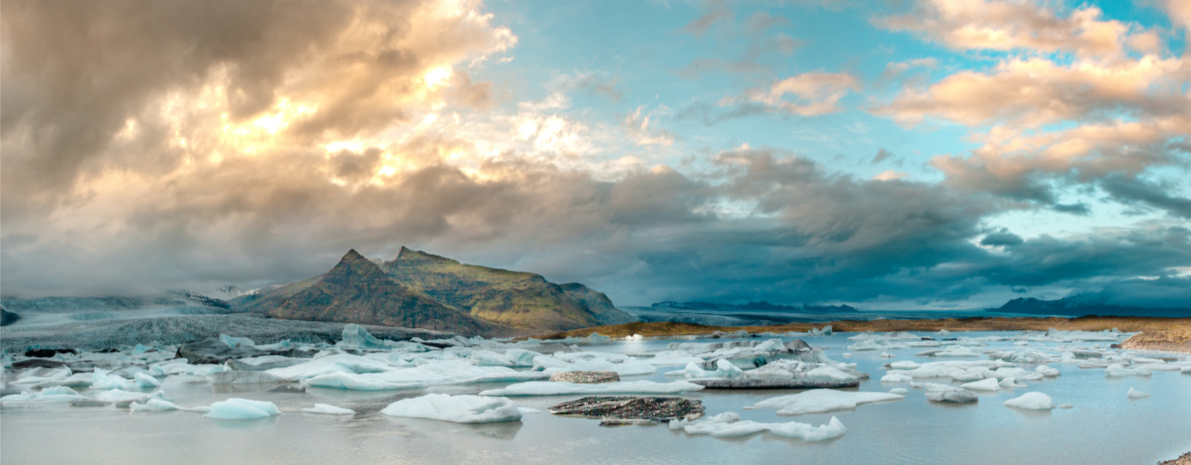
Icebergs drift through the Jökulsárlón Glacier Lagoon under a dramatic sunset sky in Vatnajökull National Park, Iceland.
If you were to move to Iceland tomorrow, amidst the stunning vistas of volcanic basalt and glacial rivers, you would eventually need to eat lunch. And in a land historically devoid of waving golden wheat fields, what bread would you find on your plate?
To understand the soul of a nation, you must taste its staples. In Iceland, bread is more than sustenance; it is a testament to human resilience, ingenuity, and a fascinating partnership with a volatile geology.
This article is designed as an insightful guide into Icelandic culinary history. We will trace the lineage of the island's most sought-after grains, explore how a harsh climate dictated the menu, and provide you with the ultimate recipe to bring a taste of Reykjavik into your own kitchen.
Bread and Grains
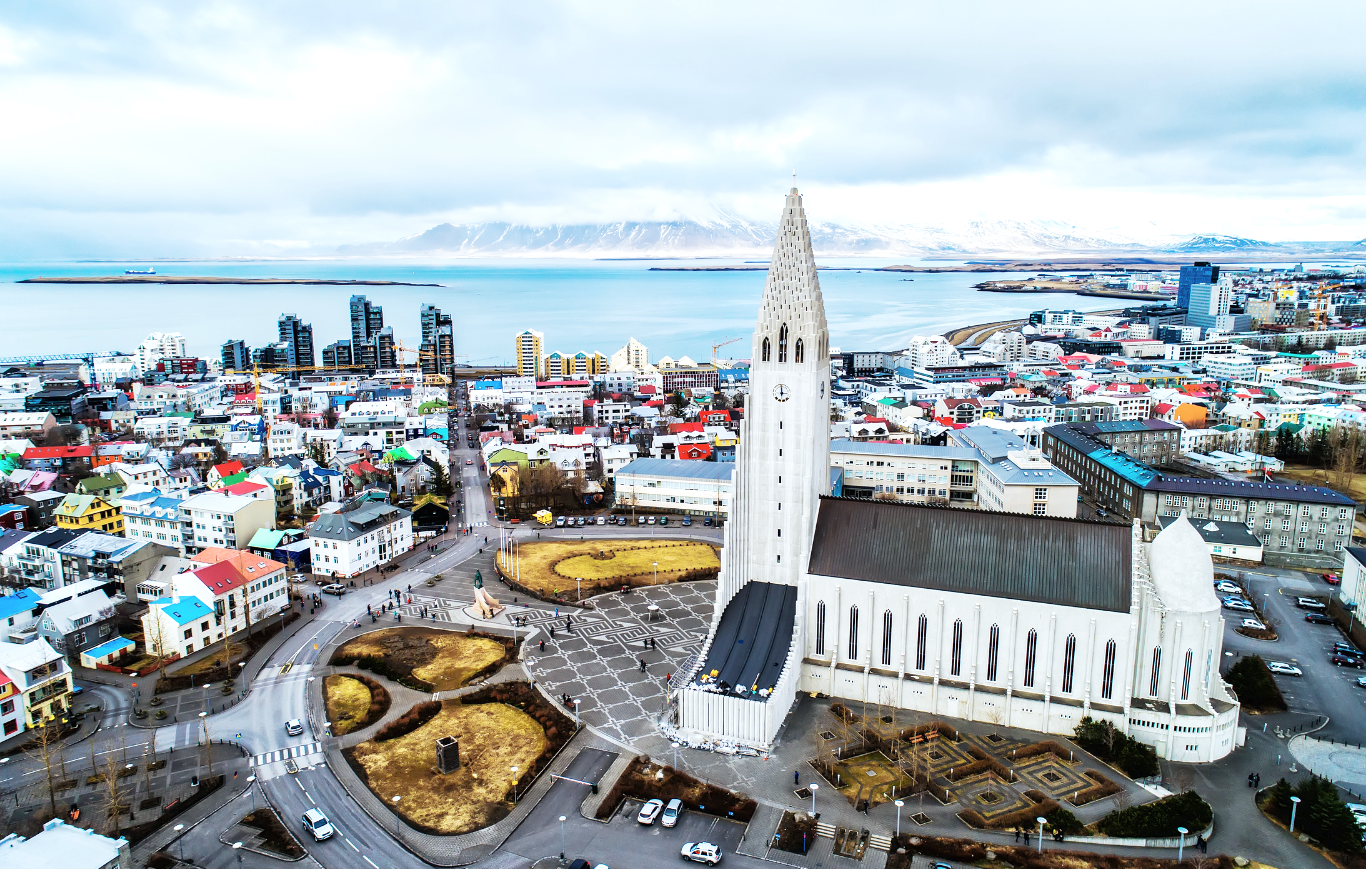
Hallgrímskirkja Cathedral
A bird's-eye view of Iceland’s capital, featuring the basalt-inspired architecture of its most famous church.
Recognize the Climate Challenge
To appreciate Icelandic bread, you first must appreciate the impossible geography of Iceland. Sitting just below the Arctic Circle, the island is defined by a short, cool growing season and volcanic soil that, while fertile in minerals, is constantly shifting.
Historically, growing cereal grains here was nearly impossible. The Vikings who settled the island in the late 9th century attempted to grow barley, coincidentally during a warmer climatic period known as the Medieval Warm Period. However, as the centuries passed and the climate cooled into the "Little Ice Age" (roughly the 14th to 19th centuries), grain cultivation became virtually nonexistent.
The Insight: Icelandic bread culture is defined not by what grew there, but by what couldn’t grow there. Scarcity was the mother of their culinary invention.
The Danish Monopoly and the Rise of Rye
Grain had to be imported if it could not be grown. Because of this, bread was considered a luxury item for centuries, usually saved for special occasions or the affluent. Lamb, dairy (skyr), and dried fish (stockfish) were the main sources of sustenance for the typical Icelander.
The Danish king established a strict trade monopoly in 1602, which marked a turning point and the chokehold on Icelandic grain shipments. Only authorized Danish merchants were allowed to trade with Icelanders. These merchants wielded enormous influence, allowing them to control both the quality and prices of the commodities delivered to the island.
Mostly, the Danes brought rye. Hardy and less expensive than wheat, rye is better suited for long maritime trips in moist circumstances. It emerged as the Nordic region's predominant grain. Rye flour became the standard for Icelandic baking since wheat was expensive and scarce.
The insight is that Iceland's predominance of dark, dense rye bread is a direct historical consequence of colonial trade limitations rather than merely a matter of taste.
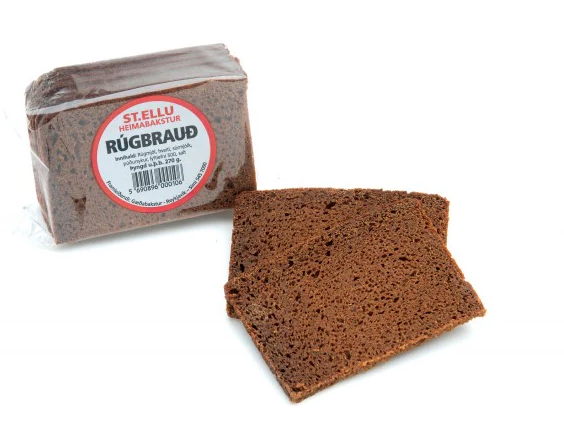
Rúgbrauð: Icelandic Rye Bread
This hearty rye bread is a classic of Icelandic cuisine, often enjoyed with butter, smoked lamb, or pickled herring.
Icelandic Food Fundamentals
Harnessing the Earth—The Geothermal Oven
This unique invention is where Icelandic ingenuity truly shines. How do you bake bread when firewood is tragically scarce (Iceland was deforested rapidly after settlement) and coal is expensive to import?
You use the ground beneath your feet.
Icelanders living in geothermal areas realized they possessed an infinite, natural energy source. They began utilizing hot springs and steaming ground vents as ovens. They would place dough into sealed pots (originally wood casks, later metal tins) and bury them in the simmering mud near geothermal vents.
They left the pots buried for up to 24 hours. This low, slow, moist heat not only baked the bread but also steamed and caramelized it. The result was a bread unlike anything else in Europe: incredibly dense, dark brown, sweet without added sugar due to the caramelization of the rye starch, and possessing a texture akin to dense cake.
The Insight: Geothermal cooking, a method developed due to fuel shortages, is directly responsible for the unique texture of Iceland's most well-known bread.
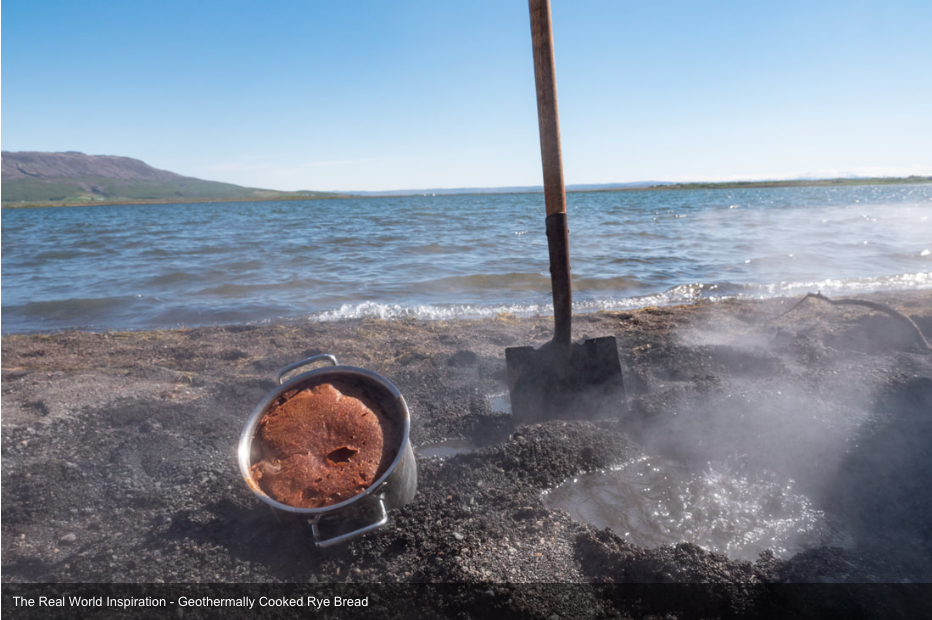
Earth-Baked Rúgbrauð
A pot of traditional Icelandic rye bread is unearthed after slow-baking in the geothermal ground—a fascinating culinary process featured on the Teach Bake Travel blog.
The Star of the Show: Rúgbrauð (Icelandic Rye Bread)
If you lived in Iceland today, the "most sought-after" title is a tie between standard modern sourdoughs found in Reykjavik bakeries and the traditional favorite: Rúgbrauð.
Rúgbrauð (literally "rye bread") is the modern iteration of that geothermally baked bread. It is dark, dense, sweet, and deeply comforting. It is traditionally eaten with generous layers of butter, topped with pickled herring, smoked lamb (hangikjöt), or simply served alongside a steaming bowl of plokkfiskur (fish stew).
Because most of us don't have a geyser in our backyard, the recipe has adapted to the modern oven. The key is replicating that geothermal environment: low heat, long time, and a sealed container to trap moisture.
The Land of Fire and Ice
Recipe: Homemade Hverabrauð (Hot Spring Bread)
This recipe replicates the geothermal process using a conventional oven and a Dutch oven (or any heavy, oven-safe pot with a tight-fitting lid).
Prep time: 15 minutes Cook time: 8 to 12 hours (Yes, really!)
Ingredients:
3 cups Dark Rye Flour (Crucial for the authentic flavor)
1 ½ cups All-Purpose Flour
2 teaspoons Baking Soda (Not baking powder)
1 teaspoon Fine Sea Salt
1 cup Golden Syrup (Lyle’s is standard, but dark corn syrup or molasses can substitute, though molasses will make it stronger)
1 liter (approx 4 cups) Buttermilk (Kefir also works wonderfully)
Instructions:
Prepare the "Geyser": Preheat your oven to a very low 212°F (100°C). If your oven runs hot, aim for 200°F. You need a heavy pot with a lid that seals tightly. Grease the inside of the pot thoroughly with butter or oil.
Mix Dry Ingredients: In a large bowl, whisk together the rye flour, all-purpose flour, baking soda, and salt until perfectly combined.
Mix Wet Ingredients: In a separate bowl or large jug, whisk together the buttermilk and the golden syrup until the syrup is dissolved.
Combine: Pour the wet mixture into the dry ingredients. Using a sturdy wooden spoon or your hands, mix to form the dough. Caution: This is not a kneaded bread dough. It will be a very sticky, thick, heavy batter rather than a smooth dough. Do not overmix; just ensure there are no dry pockets of flour.
Load the Pot: Scoop the sticky batter into your greased pot. Smooth the top with a wet spatula. Place a circle of parchment paper directly onto the surface of the dough (this helps prevent a hard crust from forming and traps steam). Put the lid on tightly.
The Long Bake: Place the pot in the preheated oven. Bake for a minimum of 8 hours, up to 12 hours. Many Icelanders prepare this before bed and let it bake overnight. The low temperature slowly caramelizes the sugars in the rye without burning the bread.
The Reveal: Remove the pot from the oven. Take off the lid and parchment. The bread should be a deep, dark brown and feel very firm. Let it cool in the pot for 30 minutes, then turn it out onto a wire rack to cool completely.
Serving: This bread is best waited on. It slices much better the day after it is baked. Serve with thick slabs of good-quality butter.
The People

A Brief on Icelandic Society and Culture
From its ancient linguistic roots to its modern, family-oriented culture, Iceland offers a unique social landscape. This overview and accompanying photography are provided courtesy of the Work in Iceland article, "A Brief on Icelandic Society".
Washing it Down Icelandic Style
You have your slice of dense, sweet Rúgbrauð slathered in butter. What do you drink with it?
If you are eating breakfast or a light lunch, the answer is almost certainly Mjólk (Milk). Icelanders are among the highest consumers of milk per capita in the world. The dairy quality is exceptionally high, and a cold glass of whole milk against the dense, sweet rye is a beloved combination.
If you need a pick-me-up, it’s Kaffi (Coffee). Iceland is a nation of serious caffeine consumers. You will find excellent coffee shops even in remote villages.
However, if you are eating Rúgbrauð as part of a traditional feast, perhaps alongside fermented shark at the midwinter festival of Þorrablót, you need something stronger to cut through the intense flavors.
Enter Brennivín.
Known colloquially as "Black Death," Brennivín is Iceland's signature distilled spirit. It is a clear aquavit brewed from fermented grain (or sometimes potato) mash and flavored with caraway seeds. It is potent, savory, and intensely herbal. A chilled shot of Brennivín is the traditional (and somewhat necessary) chaser after eating fermented shark, but its caraway notes also complement the sweet earthiness of rye bread beautifully.
Final Thoughts
Icelandic Rúgbrauð is more than just carbohydrates; it is an edible history lesson. It tells the story of an island isolated by freezing oceans, challenged by volcanic soil, restricted by colonial rule, and saved by geothermal heat. By baking this bread, you aren't just following a recipe; you are participating in a centuries-old tradition of survival.
Share This Story