Mastering the French Baguette
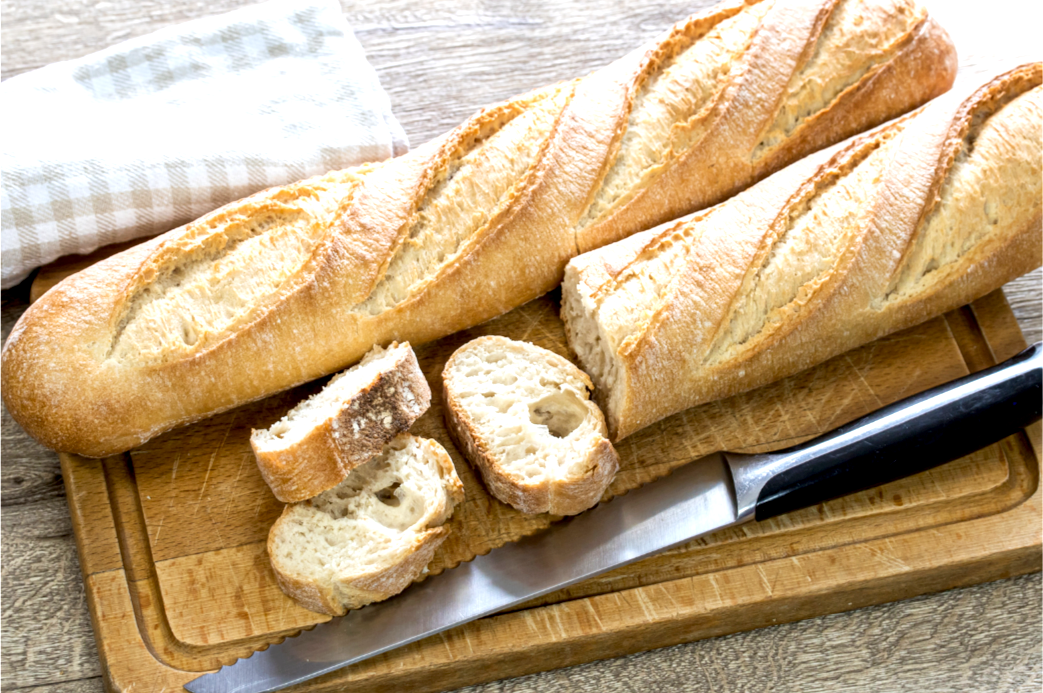
Fresh from the Oven
The baguette is more than bread; it is the daily anchor of French culture and cuisine.
France is a country where bread is not merely a food; it is a secular religion. To walk the streets of Paris, Lyon, or a quiet village in Provence at 7:00 AM is to smell the distinct, nutty aroma of caramelized wheat wafting from the local boulangerie. For the French people, bread is the anchor of the table, a symbol of hospitality, and a daily necessity that transcends class and background.
While the culinary world of France is vast, nothing captures the spirit of the nation quite like its bread. It is a product of three simple ingredients—flour, water, and salt—transmuted by yeast and time into something magical. This guide explores the history, the culture, and the secondary favorites of French baking, culminating in a precise guide that will allow you to reproduce these results in your own kitchen.
The Undisputed King: Le Baguette de Tradition
When we talk about French bread, we are almost always talking about the baguette. But not just any baguette. In 1993, the French government passed the Décret Pain (Bread Decree) to protect traditional baking from industrialization. It stated that a "Baguette de Tradition" could only contain four ingredients: flour, water, salt, and yeast (or sourdough starter). No additives, no freezing, no shortcuts.
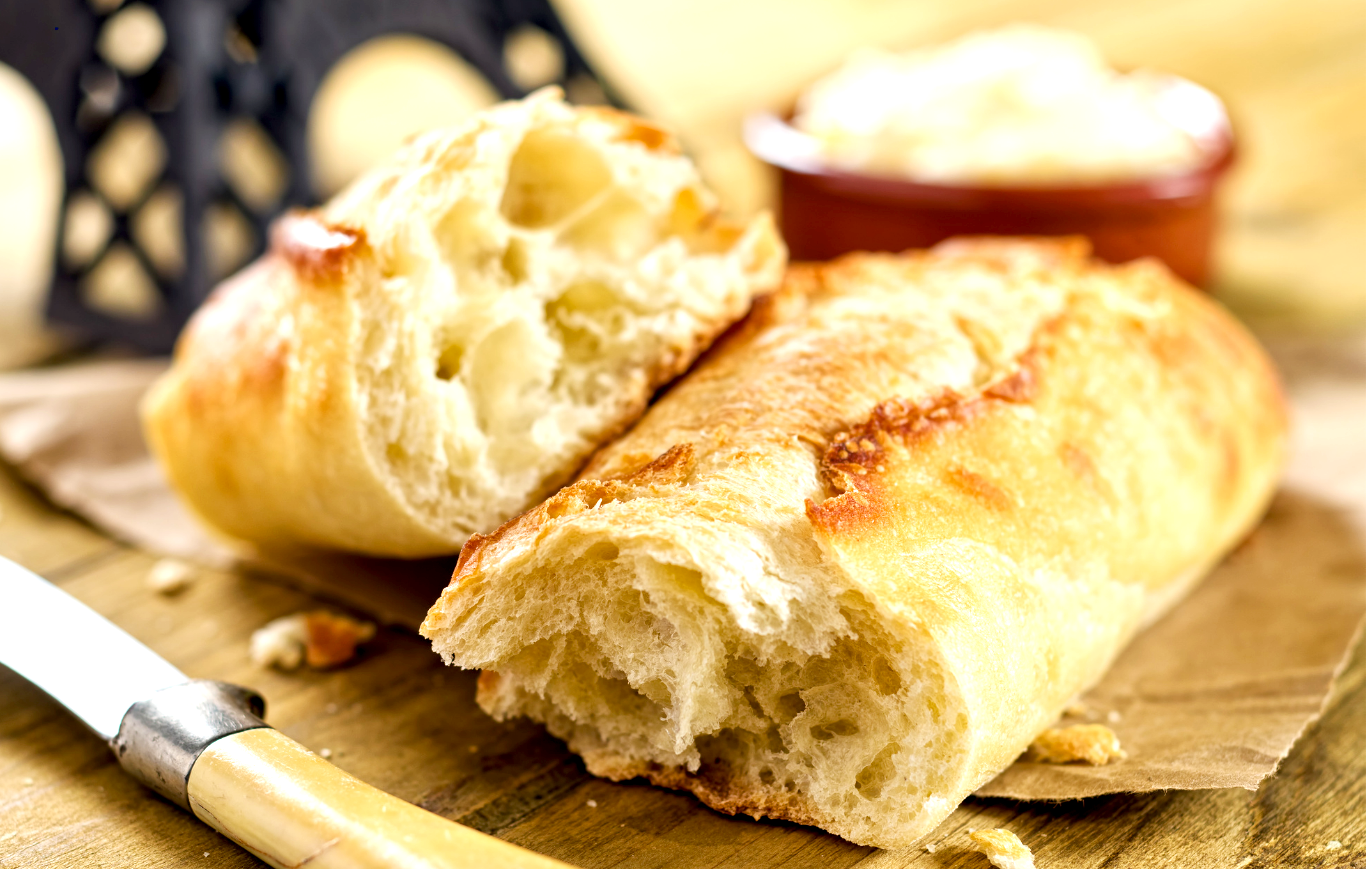
Broken, Not Sliced
Tearing the bread by hand releases the aroma of toasted wheat and preserves the delicate structure of the interior.
A Brief History of the Wand
The origins of the baguette are debated, often drifting into legend.
The Napoleonic Theory: Some claim Napoleon Bonaparte ordered bread to be made in long, thin sticks so soldiers could carry them easily down their trouser legs. (Though practical, this would have likely resulted in crushed bread).
The Metro Theory: Others argue it was invented during the construction of the Paris Metro in the late 19th century. To prevent knife fights between workers from different regions, the foreman requested bread that could be torn by hand, eliminating the need for knives.
The 1920 Labor Law: The most likely historical catalyst was a 1920 law preventing bakers from starting work before 4:00 AM. Because traditional round loaves (boules) took too long to bake for the breakfast rush, bakers elongated the dough to maximize surface area and minimize baking time.
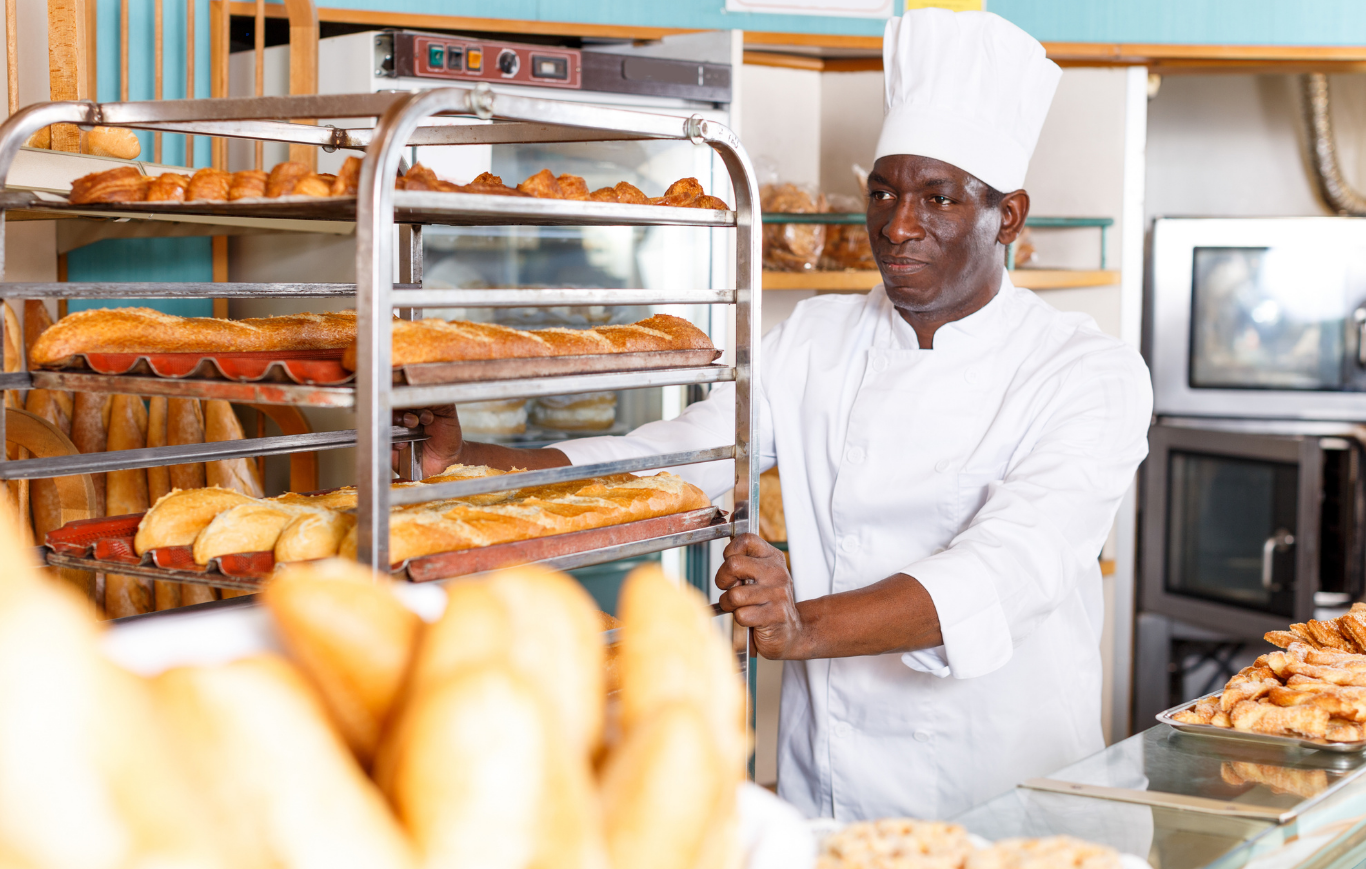
Straight to the Shelf
Once cooled, these loaves will line the bakery walls, filling the shop with the unmistakable scent of toasted yeast and flour.
Why It Is Beloved
The French relationship with the baguette is sensory. A perfect baguette sings; when you squeeze it, the crust should crackle and "sing" with crispness. The interior, or mie, should be cream-colored with irregular holes (alveoli), indicating long fermentation. It is mild yet complex, tasting of toasted nuts and wheat fields. It is rarely eaten alone; it is a vessel for butter, a scoop for sauce, or a partner for wine.
Beyond the Baguette: Secondary Favorites
While the baguette is the icon, French bakery shelves are lined with other spectacular loaves.
1. Pain de Campagne (Country Bread) Before the baguette, there was Pain de Campagne. This is the bread of the village—large, round, and dusted with flour. It often uses a sourdough starter (levain) instead of commercial yeast and combines white flour with whole wheat or rye. Unlike the short-lived baguette, this bread has a thicker crust that keeps fresh for days. It goes great with rich stews and strong cheeses like Roquefort.
2. Fougasse Hailing from Provence, Fougasse is the French cousin to Italian Focaccia. It is often sculpted to look like a leaf or an ear of wheat. Enriched with olive oil and frequently studded with olives, rosemary, or bacon (lardons), it is a savory treat often eaten on its own as a snack or appetizer.
3. Brioche Brioche straddles the line between bread and pastry. Enriched with copious amounts of eggs and butter, the crumb is shreddable, yellow, and cloud-like. It is historically the bread of the aristocracy (famously misquoted in the Marie Antoinette "Let them eat cake" legend, which likely referred to brioche). It is eaten at breakfast with jam or used in savory dishes like Foie Gras.
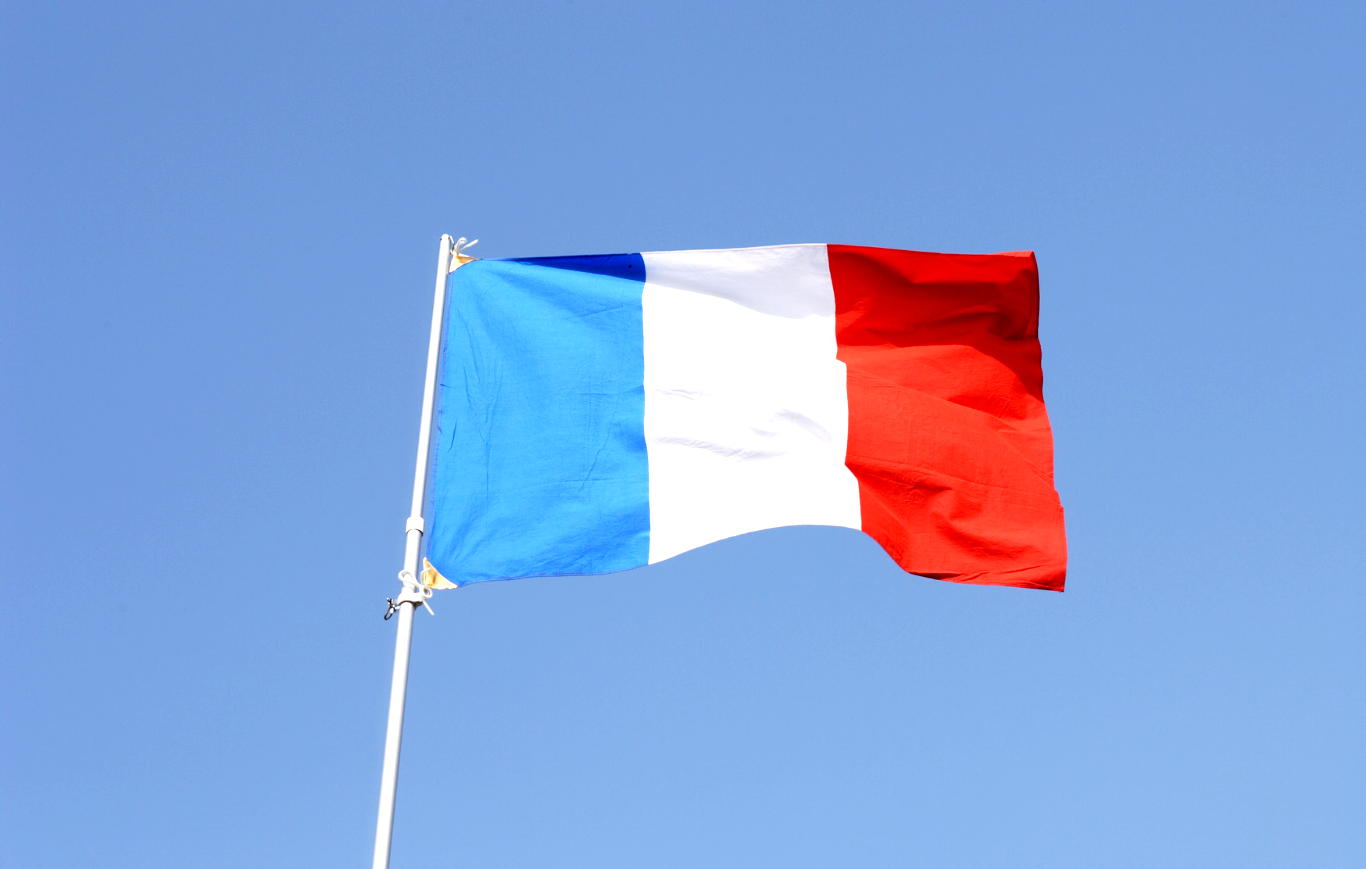
Protected Heritage
The 1993 Décret Pain (Bread Decree) ensured that traditional French bread remains a protected national treasure, safe from industrial shortcuts.
How to Bake the Perfect French Baguette
This section is designed to be a definitive guide. If you follow these instructions precisely, you will produce bread that rivals a Parisian bakery.
The Secret: The secret is not the oven; it is hydration and time. You cannot rush good bread.
The Ingredients (For 3 Baguettes)
Flour: 500g Bread Flour (Protein content around 11.5% - 12.7%). Do not use All-Purpose flour if possible; you need the strength.
Water: 375g Water (75% hydration). Temperature should be 90°F (32°C).
Salt: 10g Fine Sea Salt.
Yeast: 2g Instant Yeast (about ½ tsp).
The Equipment
Digital Kitchen Scale (Essential).
Bench Scraper.
Baker's Couche (linen cloth) or a heavy cotton towel heavily floured.
Razor blade or "Lame" for scoring.
Baking Stone or Steel (preferred) or an inverted baking sheet.
Cast iron skillet (for creating steam).
Step-by-Step Instructions
Phase 1: The Autolyse (The Mix)
In a large bowl, mix the flour and water only. Stir until no dry flour remains. It will look shaggy and messy.
Cover and let it rest for 45 minutes.
Why? This allows the gluten network to begin forming passively and the flour to fully hydrate before the yeast and salt tighten the gluten structure.
Phase 2: The Incorporation
Sprinkle the yeast and salt over the dough.
Wet your hand and use the "pincer method": pinch the dough to cut the ingredients in, then fold the dough over itself. Repeat for 2–3 minutes until the salt and yeast are fully integrated.
Phase 3: Bulk Fermentation (The Rise)
Cover the bowl. Let the dough rise at room temperature for 3 to 4 hours.
Stretch and Folds: During the first 2 hours, you must strengthen the dough. Every 30 minutes, uncover the dough. Wet your hand, grab one side of the dough, stretch it up high without tearing, and fold it over the center. Rotate the bowl and repeat for all 4 sides.
Do this 4 times total (at 30, 60, 90, and 120 minutes). Then let it rest undisturbed for the remaining time.
Phase 4: Dividing and Preshape
Turn the dough out onto a lightly floured surface. Be gentle; you want to keep the air bubbles in.
Cut the dough into 3 equal pieces (approx 295g each).
Gently shape each piece into a loose rectangle or cylinder. Cover with a towel and let rest (bench rest) for 20 minutes.
Phase 5: Final Shaping
Take one piece. Fold the top third down to the center and seal with your thumb.
Fold the bottom third up to the center and seal.
Fold the top all the way down to the bottom edge and seal the seam tightly with the heel of your hand.
Roll the dough back and forth, applying gentle pressure to elongate it to about 14-16 inches. Taper the ends if desired.
Place the baguettes seam-side up on your floured couche (cloth), creating folds in the cloth between the loaves to support their shape.
Phase 6: Proofing and Preheating
Cover the loaves and let them proof for 45 minutes to 1 hour. They should look puffy.
Preheat immediately: Place your baking stone in the middle rack and a cast iron skillet on the bottom rack. Preheat your oven to 500°F (260°C) (or as high as it goes) for at least 45 minutes.
Phase 7: The Bake
Boil a cup of water.
Transfer the baguettes to a peel or a piece of parchment paper.
Scoring: This is critical. Hold your razor blade at a 45-degree angle. Make 3 to 4 long cuts down the length of the loaf. The cuts should overlap slightly (by about 1/3 of their length). Do not cut side-to-side; cut almost vertically down the loaf.
Slide the bread onto the baking stone.
Steam: Immediately pour the boiling water into the hot cast iron skillet below and shut the door. Caution: Steam burns are dangerous.
Bake for 20-25 minutes. If they are getting too dark, turn the oven down to 450°F after the first 10 minutes.
The baguettes are done when they are deep golden brown and sound hollow when tapped.
Perfect Pairings
In France, bread and cheese are rarely separated. For a crusty baguette, you need cheeses that can stand up to the texture.
- Camembert & Brie: The creamy, earthy interior of these soft cheeses contrasts perfectly with the sharp, crisp crust of the bread.
- Comté: A hard, nutty cheese from the Jura mountains. Slicing this thinly on buttered Pain de Campagne creates a sweet and savory harmony.
- Chèvre: Fresh goat cheese, drizzled with honey and thyme, served on a toasted slice of baguette (crostini style) is a staple starter.
Meat curing is an art form in France, designed to be eaten with simple carbohydrates.
- Rillettes du Mans: This is slow-cooked pork cooked in its own fat until it is shredded and spreadable. It is rich and heavy, requiring the acidity of a sourdough or the lightness of a baguette to cut through the fat.
- Saucisson Sec: Dry-cured sausage. A classic worker's lunch is simply a chunk of baguette, a smear of good butter, and slices of saucisson.
- Pâté de Campagne: A coarse grind country terrine. The density of the meat pairs best with the structural integrity of a sourdough crust.
Bread is a utensil in France. "Faire la scarpetta" (though an Italian term, widely practiced in France as 'saucer') means using bread to mop up the sauce.
- Boeuf Bourguignon: The red wine reduction in this beef stew is too precious to waste. A piece of baguette acts as a sponge for the rich, tannic sauce.
- Bouillabaisse: The famous fish stew of Marseille. It is traditionally served with Rouille (a spicy saffron mayonnaise) spread onto dried rounds of baguette which float in the broth.
- French Onion Soup: The bread isn't a side here; it's an ingredient. Toasted baguette slices float on top, holding up the weight of the melted Gruyère cheese.
What you drink depends heavily on the toppings, but the bread itself has affinities.
- Morning Coffee: A 'Tartine' is a length of baguette sliced lengthwise, buttered (and perhaps jammed), and dipped directly into a large bowl of Café au Lait.
- Beaujolais: For a simple lunch of bread and cheese, a light, fruity red wine like Beaujolais or a Pinot Noir is preferred over heavy Bordeaux.
- Cider: In Brittany and Normandy, where butter is king, sparkling dry cider is the preferred accompaniment to bread-heavy meals.
Helpful Resources for the Francophile
To deepen your understanding of French baking and cuisine, explore these reputable links:
Serious Eats: The Science of Baking Bread – A fantastic resource for understanding the chemistry of the recipe provided above.
Atout France (France.fr) – The official tourism agency of France, often featuring regional gastronomy guides.
David Lebovitz – An American pastry chef living in Paris who blogs extensively about French markets, bakeries, and culture.
King Arthur Baking – A reliable source for flour sourcing and alternative French recipes.
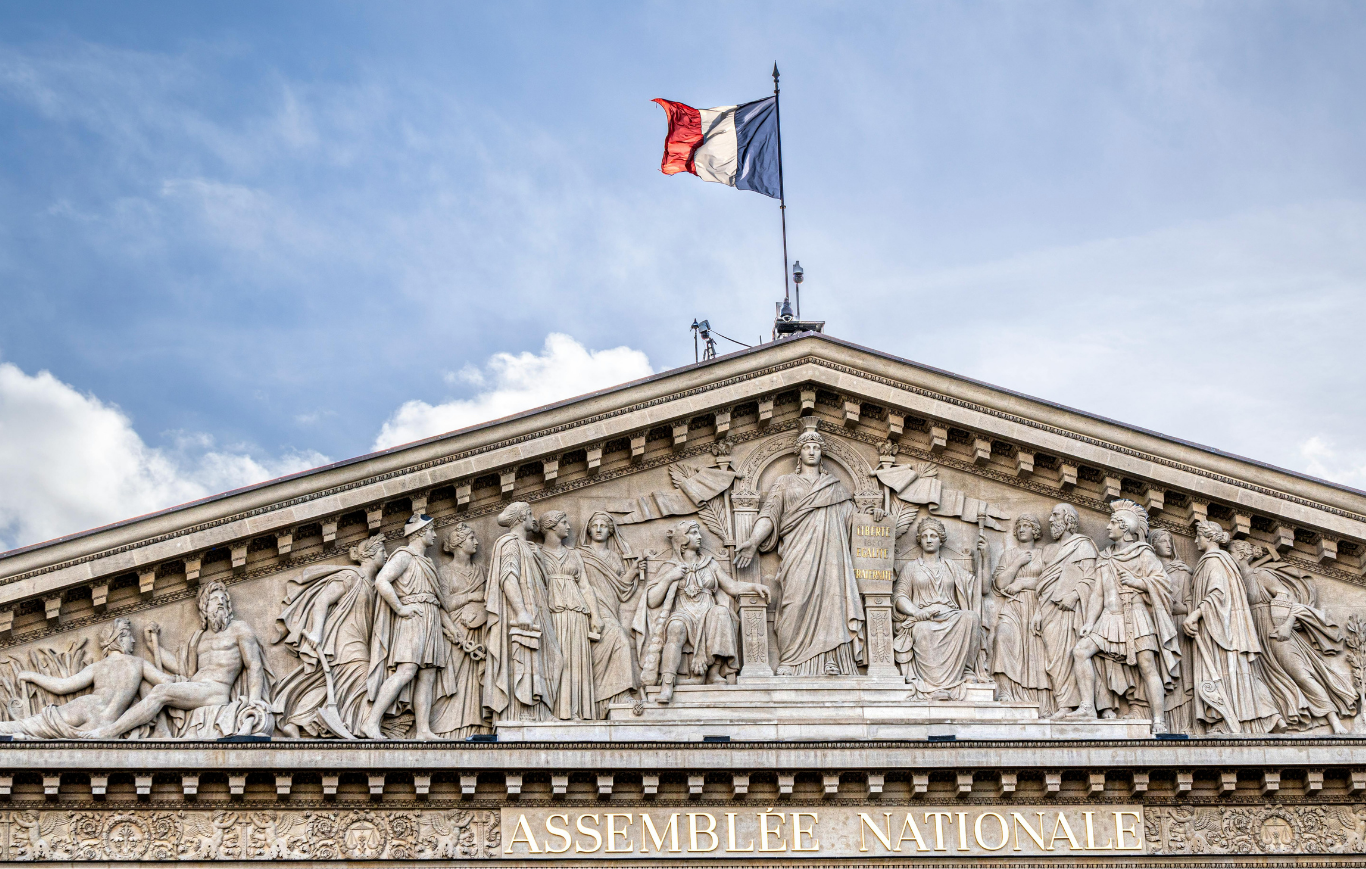
Guardians of Tradition
The French Republic legally safeguards its bakery culture, ensuring that the art of the boulanger survives in the modern era.
The People Behind the Bread
The French people view their food not as fuel, but as culture. There is a concept in France called terroir—usually applied to wine, it means the "taste of the place." The people believe that the wheat grown in the north, the salt harvested from the marshes of Guérande, and the water of the region all contribute to the final loaf.
To be French is to respect the rhythm of the bakery. It is to know that the "hot bread" sign is a siren song. It is to understand that walking home with a warm baguette and eating the quignon (the crispy heel) before you even reach your doorstep is not just acceptable—it is mandatory. When you bake the recipe above, do not just make food. Invite friends, pour wine, and break the bread by hand. That is the French way.
Share This Story